
Current transformers
Precision Current Transformers for Industrial Monitoring
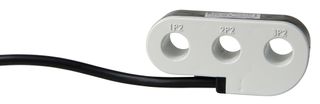
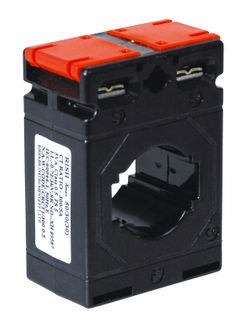
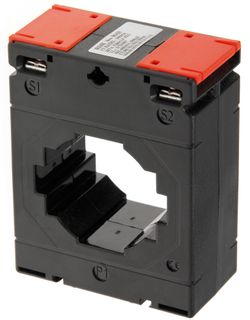
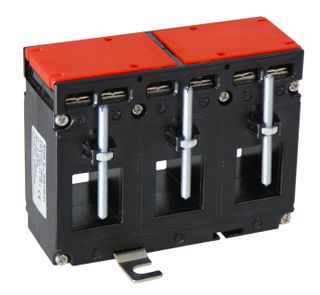
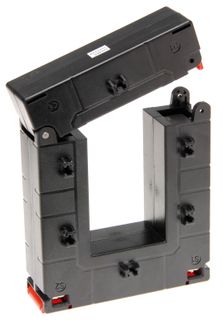
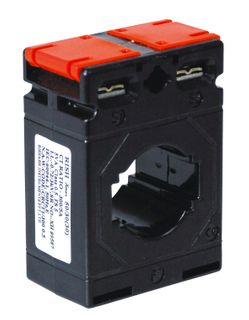
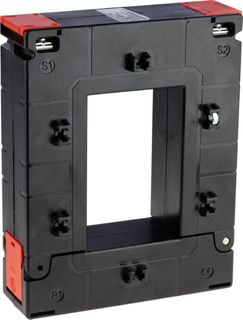
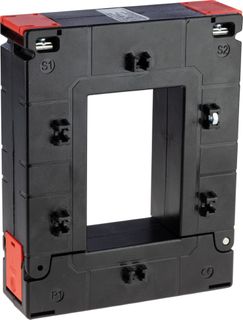
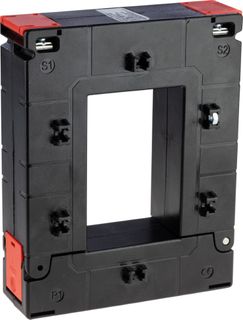
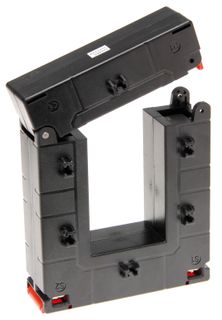
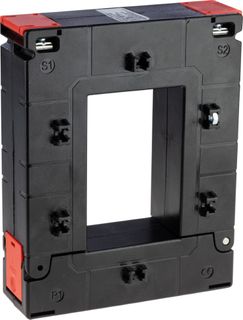
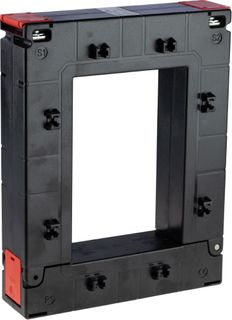
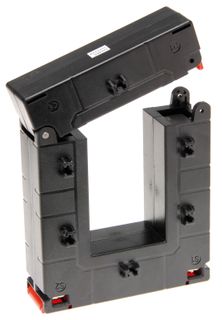
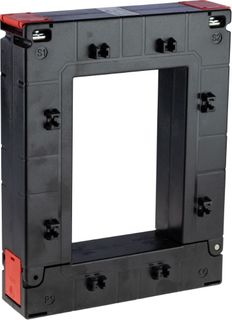
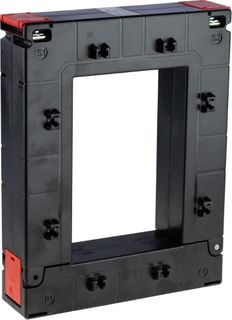
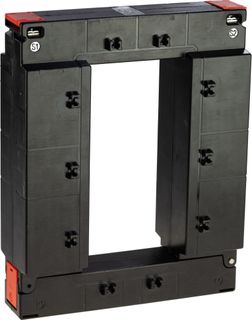
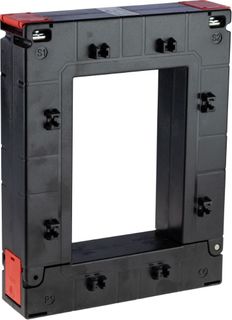
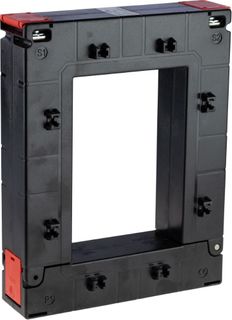
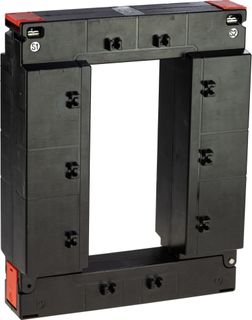
Accurate measurement is critical for the efficiency and safety of any industrial electrical system. At NAW Controls, we provide a robust range of current transformers designed to facilitate precise monitoring of electrical loads in high-current environments. A current transformer is used to produce an alternating current in its secondary winding that is proportional to the current in its primary, allowing for the safe measurement of large currents using standard instrumentation. Our selection is built to withstand the rigorous demands of Australian industrial applications, ensuring reliability across various switchboard configurations.
When implementing a power monitoring system, the integrity of the current transformer connection is paramount. Correct installation ensures that secondary signals are accurately transmitted to measuring devices without significant phase shift or ratio errors. Whether you are integrating a current transformer meter for energy billing or system protection, our units provide the technical accuracy required for compliant reporting. Our catalogue features various frame sizes and ratios to suit a wide array of busbar and cable dimensions, making them a versatile choice for electrical contractors.
Our current transformers are designed to work seamlessly with our broader range of metering solutions. For basic status monitoring, these units can be paired with our 22mm metered indicator lights. For more detailed energy tracking, they are compatible with our multi-function power meters. If your project requires temporary or onsite diagnostics, these transformers also support the use of a portable power analyser meter to verify system performance and load profiles.
By choosing current transformers from NAW Controls, you are selecting hardware that prioritises technical precision and safety. We understand the complexities of Australian power distribution and provide the support necessary to select the right ratio and class for your specific application. From basic commercial energy monitoring to complex industrial protection schemes, our current transformers provide the dependable data needed to maintain operational efficiency.

-
-
-
-
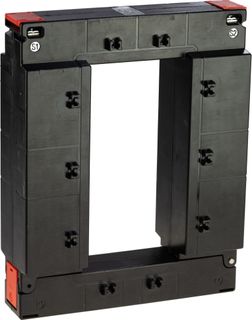
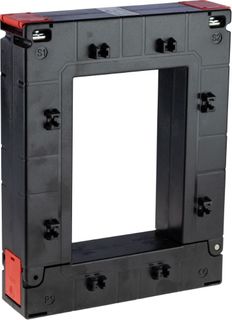
RSCT125-1000 0.5Stock Level:Enquire for Lead Time
-
-
-
-
-
-
-
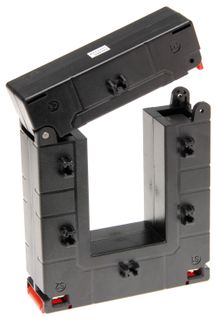
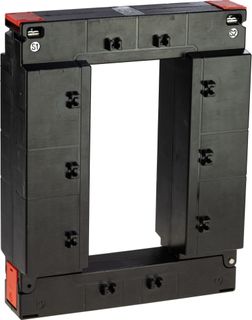
RSCT155-2000 0.5Stock Level:Enquire for Lead Time
-
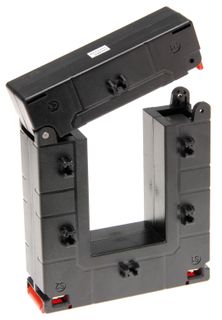
RSCT195-2500Stock Level:Enquire for Lead Time
-
-
-
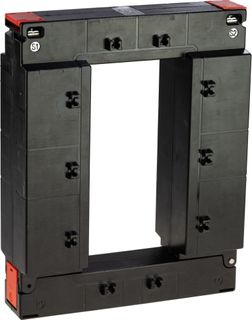
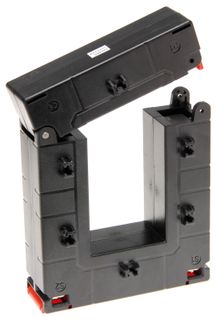
RSCT195-2500 0.5POAStock Level:Enquire for Lead Time
-
-
-
-
RSCT155-3000Stock Level:Enquire for Lead Time
-
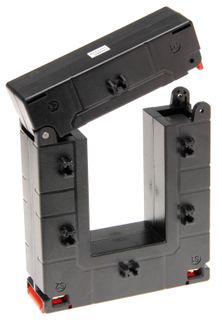
RSCT195-3000 0.5POAStock Level:Enquire for Lead Time
-
-
-
RSCT195-4000Stock Level:Enquire for Lead Time
-
RSCT195-4000 0.5POAStock Level:Enquire for Lead Time
Frequently Asked Questions
What is the purpose of a current transformer in a switchboard?
A current transformer is primarily used to step down high primary currents to a lower, standardised value, typically 1A or 5A. This allows standard measuring instruments and protective relays to safely monitor high-power circuits without being directly exposed to the full system voltage and current.
How do I ensure a correct current transformer connection?
Ensuring a proper current transformer connection involves verifying the polarity and ensuring the secondary circuit is never left open-circuited while the primary is energised. An open secondary can lead to dangerously high voltages, so it is vital to follow manufacturer guidelines and Australian safety standards during installation.
Can I use any current transformer meter with these units?
Most standard current transformer meter options are compatible as long as the meter input matches the secondary output of the transformer, usually 5A. It is important to match the accuracy class of the transformer to the requirements of the meter to ensure precise energy readings.
What is the difference between protection and measurement current transformers?
Measurement current transformers are designed to be highly accurate at normal operating currents but will saturate quickly during a fault to protect connected instruments. Protection transformers are designed to maintain accuracy at much higher current levels to ensure protective relays function correctly during a short circuit or overload event.